
Wellness
Emotional Management
Emotions are felt intensively and they are perceived subjectively, they are the consequence of a psychological response to a thought, situation or perception. Our behaviour expresses itself differently in front of our different emotions. We know mainly 6 basic
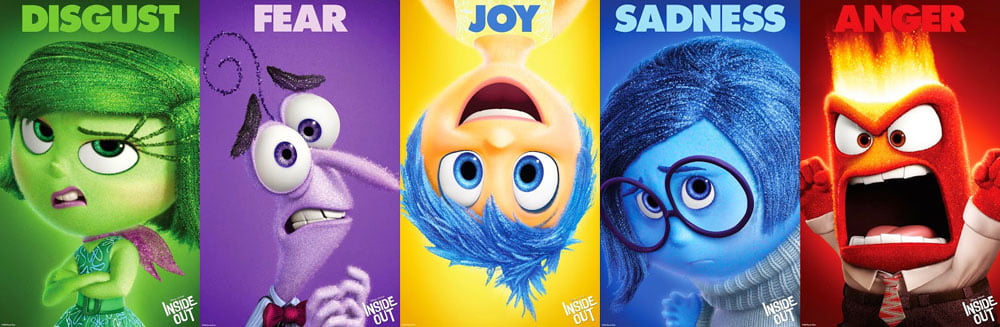
Emotions are the language of the soul and the unconscious mind and we have to learn to uncode it
Emotions are felt intensively and they are perceived subjectively, they are the consequence of a psychological response to a thought, situation or perception. Our behaviour expresses itself differently in front of our different emotions. We know mainly 6 basic emotions: fear, disgust, anger, surprise, happiness and sadness.
Robert Putchik (1927-2006) created the wheel of emotions which is a powerful tool to understand the different emotions and subcategories. He proposed different emotional dimensions that intertwine with each other.
Emotions are also felt simultaneously and this might bring conflict within. For example before thinking about having a child or getting married, we might experience different emotions one after the other, almost contradictory.
We might be the master of our own thoughts; still we are the slaves of our own emotions. Naraya Singh
Emotions create physical experiences. We might feel them so intensively that they turn into muscular tension and body pain. Sometimes, we can feel our hands becoming sweaty or our hearts racing . These reactions are controlled by our sympathetic nervous system together with our amigdala- the system that makes us react in a flight-fight mode in the face of danger reacting in a protective manner. For example, a lion is ready to face any danger while a rabbit runs away and plays dead. We have both these mechanisms within.